
Rails, Roots, and Reinvention: The Economic Journey of Branchville, South Carolina
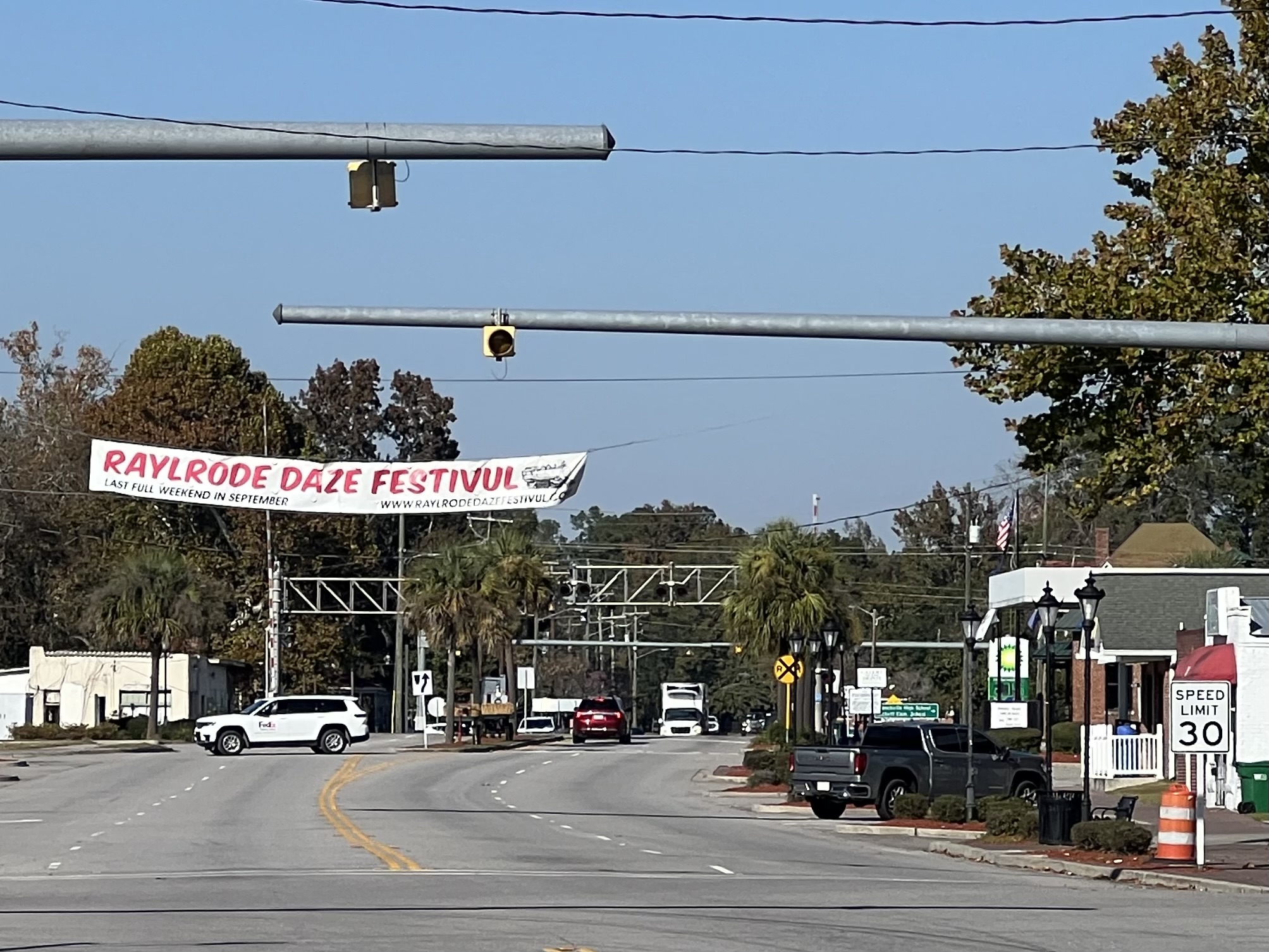
I came across Branchville on a recent trip to the Georgia coast when my navigator diverted me off the interstate and onto the backroads to avoid construction delays and an accident on I-26. The detour saved time and offered perspective—leading me past endless fields of cotton, a handful of small factories, and across winding rivers and creeks as I drove from South Carolina’s Midlands toward the Lowcountry.
When I reached Branchville’s small downtown, I was immediately struck by its iconic historic railroad station, a brick sentinel of another era. Later that evening, curiosity turned to research—and I discovered the remarkable story of a town whose past is entwined with the birth of America’s rail industry.
Key Takeaways
- World’s First Railroad Junction: Branchville entered history in 1832 when the South Carolina Canal and Rail Road Company branched toward Columbia—creating the world’s first railroad junction.
- Longest Rail Line of Its Time: By 1833, the Charleston–Hamburg line stretched 136 miles, then the longest continuous railroad under a single management in the world and the first in America to operate steam-powered passenger service.
- Strategic Location: Situated in southwestern Orangeburg County, Branchville bridged South Carolina’s Lowcountry and Midlands, evolving from a fork in an indigenous trail into a transportation hub that helped transform the state’s economy.
- Economic Transitions: Branchville’s economy has moved from frontier agrarian to rail-era prosperity and today balances agriculture, wood products, and a nascent tourism revival.
- Tourism and Leisure: The town’s historic depot, annual Raylrode Daze Festivul, and proximity to the Edisto River support a growing heritage and recreation economy.
- Regional Context: Orangeburg County’s economy remains anchored by manufacturing, healthcare, education, and agriculture, with a strengthening logistics and outdoor recreation profile.
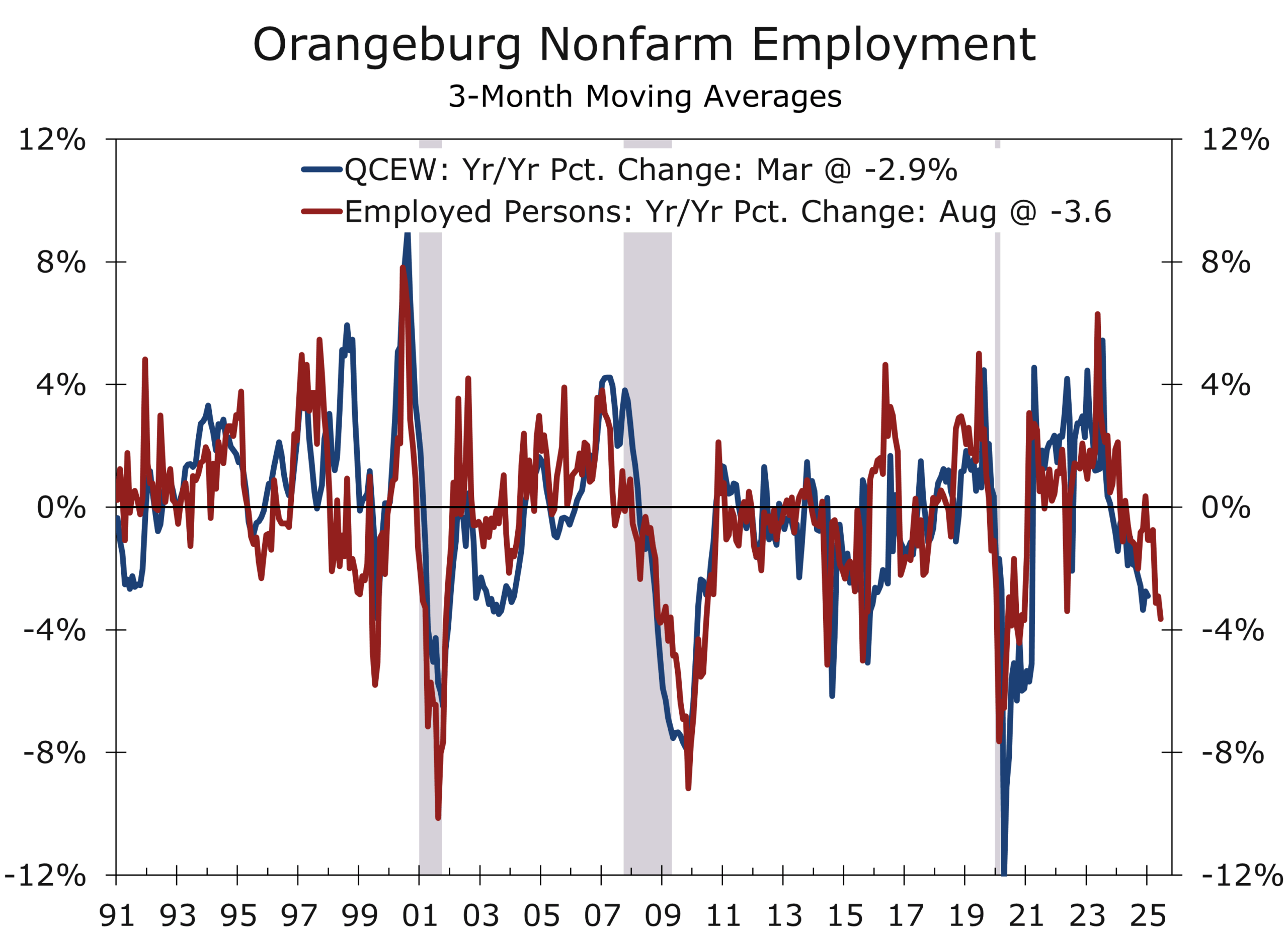
- Columbia-Orangeburg-Sumter CSA: Orangeburg County anchors the southern edge of the Columbia Consolidated Statistical Area (CSA), a region of roughly 1.1 million residents. Growth from Columbia’s expanding metro is steadily extending southward along the I-26 corridor, linking Orangeburg more closely to the state capital’s labor and housing markets. A rising share of county residents now commute north toward Columbia and its suburbs, while others travel south toward the outer reaches of the Charleston metro, reflecting Orangeburg’s emerging role as a commuter crossroads between the Midlands and the Lowcountry.
A Fork in the Trails
Branchville’s story began long before the sound of a locomotive ever reached the pines of Orangeburg County. It was once a crossroads of Native American trade routes, where paths from the Charleston coast met and diverged toward the Savannah River and the Carolina interior. Early settlers called it “The Branch.”
In the 1730s, Andrew Frederick, a Prussian-born pioneer, led a group of German-Dutch settlers who farmed and traded along Penn Branch, a tributary of the Edisto River likely named for an early settler family. Fertile soil along these “branches”—Penn, Beech, and Sunset—supported rice, indigo, and subsistence crops, and the cluster of homesteads that formed here gave rise to the town’s name.
The local economy was modest: subsistence farms, frontier trade, and wagon caravans hauling goods to Charleston. But geography conferred importance. The fork in the trail, and the waterways feeding the Edisto, foreshadowed a new kind of connectivity—one that would soon reshape the state’s economy and make Branchville famous worldwide.
Rails Bring Prosperity
By the first quarter of the nineteenth century, South Carolinians recognized a need for faster, safer transport. Roads were muddy and impassable much of the year, and banditry made overland trade risky. Cotton, indigo, and other crops had to be floated down the rivers in shallow-draft boats to Charleston—a slow, costly route that limited access to markets.
To solve that problem, the South Carolina Canal and Rail Road Company (SCC&RR) was chartered in 1827. Under the leadership of William Aiken—for whom the city of Aiken is named—and guided by Horatio Allen, one of America’s foremost civil engineers, the SCC&RR sought to connect Charleston to the interior settlements that riverboats could not reach.
On Christmas Day 1830, the company inaugurated America’s first steam-powered passenger service over a six-mile stretch west of Charleston using The Best Friend of Charleston, the first American-built locomotive to enter regular service. Within three years, the company completed its 136-mile line to Hamburg on the Savannah River, then the longest continuous railroad under single management in the world. Built primarily on timber piles through the Lowcountry swamps and capped with hand-forged iron straps, it was a bold feat of engineering that dramatically reduced transport costs and opened the backcountry to global commerce.
When the rails reached The Branch in 1832, the site became the world’s first railroad junction, where the Charleston-Hamburg line met the spur surveyed north toward Columbia. The name changed to Branchville, and the town flourished almost overnight. For the first time, multiple towns could be reached along a shared rail corridor rather than a single point-to-point line—an innovation that transformed both commerce and settlement patterns across the South.
Freight depots, hotels, and general stores sprang up around the tracks. Cotton bales and indigo crates were loaded for Charleston; supplies and travelers arrived from the coast.
War, Reconstruction, and Renewal
The Civil War brought devastation to South Carolina’s railways. The Charleston–Hamburg line, once the longest railroad under a single management in the world, became a critical Confederate supply route and a target of destruction during General Sherman’s 1865 campaign. Tracks were torn up, depots burned, and rail bridges along the Edisto were destroyed as Union forces advanced northward through Orangeburg County.
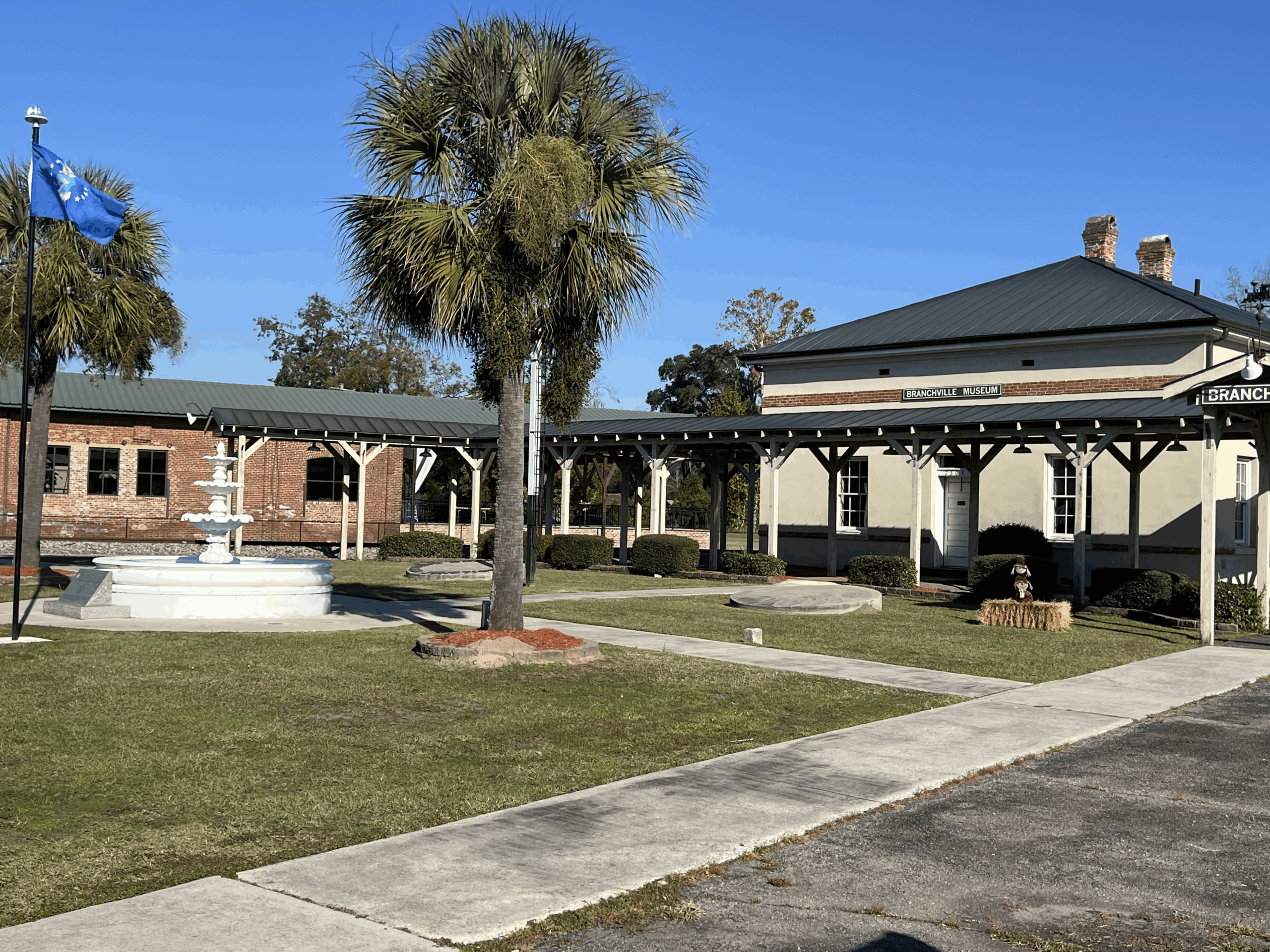
Branchville’s depot and the surrounding track were rebuilt during Reconstruction, a period when railroads were once again seen as essential to reconnecting the fractured Southern economy. By the late 19th century, the repaired line linked Charleston, Columbia, and Augusta, restoring Branchville’s role as a vital artery of regional commerce. The depot itself was rebuilt in 1877 in brick—a statement of both durability and optimism—and it remains one of the oldest surviving railroad stations in the state, serving as a museum and restaurant. Across the tracks, the old freight depot—once blackened by creosote fires—testifies to the era when Branchville was a commercial hinge between the plantation South and the Atlantic world.
The town entered the early 20th century on a wave of prosperity. Main Street bustled with general stores, hotels, and boardinghouses catering to rail passengers, freight crews, and traveling salesmen. Cotton, timber, and produce flowed outward to Charleston’s port, while manufactured goods and travelers moved inland. Telegraph wires and rail lines radiated from the depot, symbolizing the modern connectivity that made Branchville a fixture in South Carolina’s transformation from an agrarian economy to an industrial one.
Branchville’s dining room at the depot became famous throughout the region and even nationally—hosting Presidents William McKinley, Theodore Roosevelt, and William Howard Taft on whistle-stop tours through South Carolina. For a town of barely a thousand people, these visits were more than ceremonial; they affirmed Branchville’s position as a crossroads of Southern travel and trade. And in the decades that followed, residents like John “Johnny” Norris carried that rail tradition into the modern age. Norris served in the Navy during World War II and later rose through the ranks of Southern Railway, helping design the patented End-of-Train Device (EOT) that replaced the caboose—a fitting coda for a man from the world’s first rail junction.
Today, long trains still rumble past the old depot carrying brand-new BMWs from the Upstate to Charleston’s port, tracing the same corridor that once bound together an agrarian South and an industrializing nation.
Mid-Century Transition
The post-war decades brought profound structural change to Branchville. As the automobile age took hold and the interstate highway system reshaped American travel, automobiles and long-haul trucking steadily supplanted rail as the nation’s dominant mode of transportation. By 1962, passenger rail service to Branchville was discontinued, severing one of the town’s foundational economic arteries and signaling the end of an era when the sound of steam defined daily life.
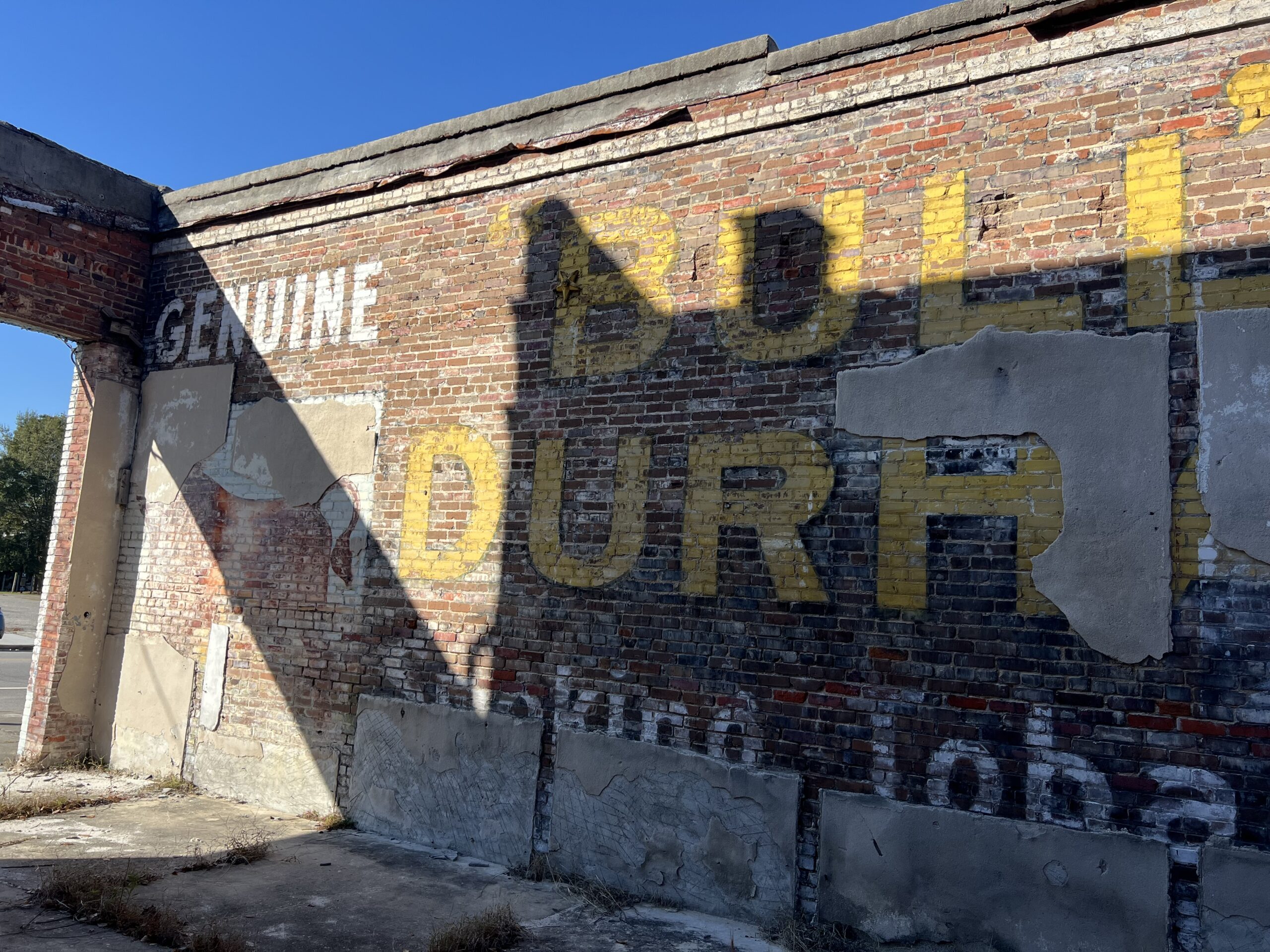
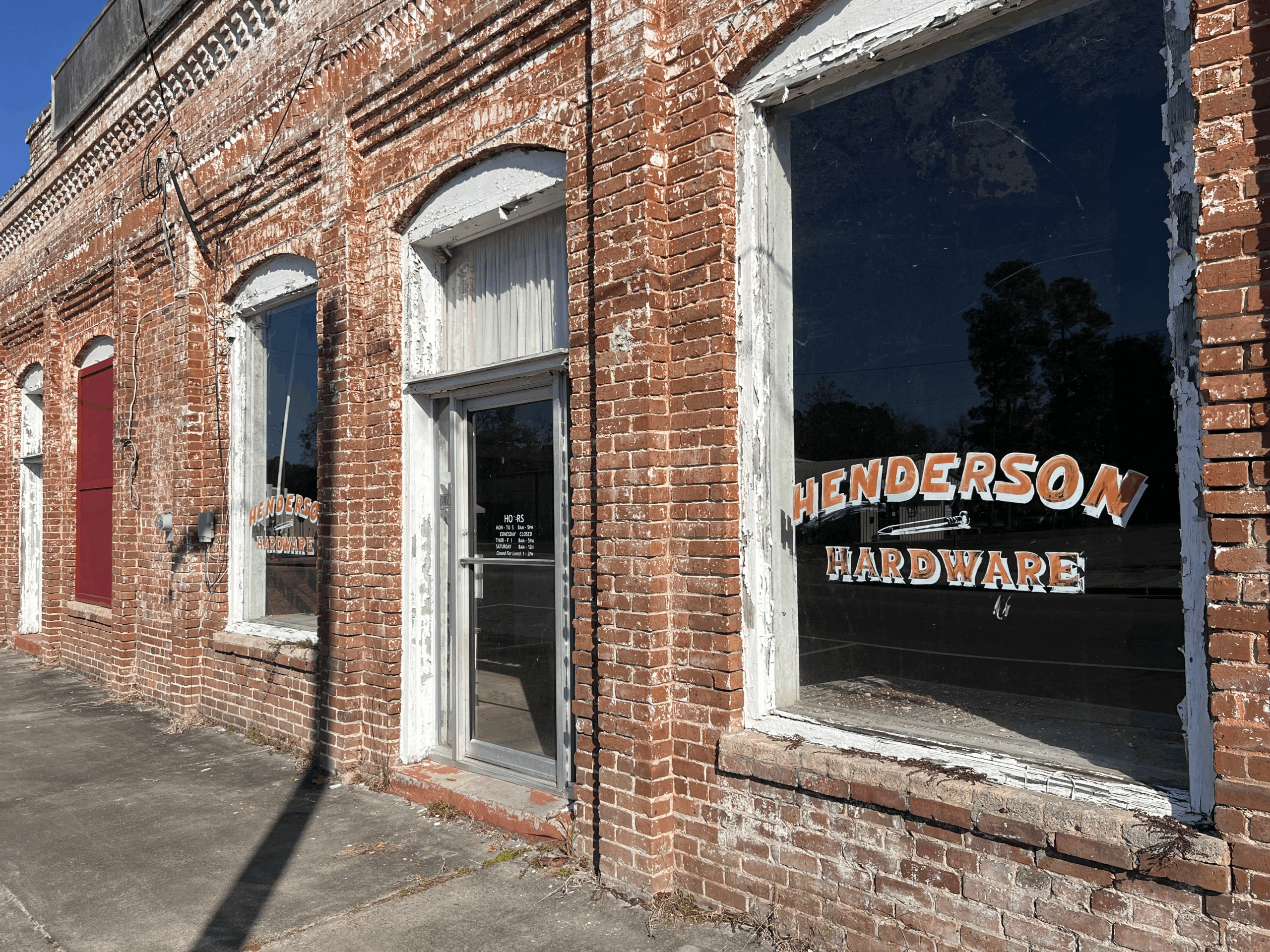
Agriculture—once secondary to the rail economy—re-emerged as the principal employer, but the transition was uneven. Mechanization reduced labor needs, family farms consolidated, and younger residents left for opportunities in Charleston, Columbia, and beyond. Without the steady flow of travelers and freight, local commerce contracted. Storefronts along Main Street emptied; long-standing businesses, from grocers to general stores, struggled to stay afloat. Henderson Hardware—still standing today as a shell of its former self—remains a visible reminder of that era’s economic erosion.
The 1950s and 1960s were particularly difficult decades for South Carolina’s small railroad towns. Branchville’s population stagnated, and downtown properties suffered from deferred maintenance and disinvestment. Yet amid these headwinds, the community retained a remarkable sense of identity and pride. The 1877 Southern Railway Passenger Depot, long the town’s centerpiece, was preserved through local advocacy and ultimately placed on the National Register of Historic Places, ensuring that its story would endure even as the trains no longer stopped.
During the 1970s, residents took a decisive step to reclaim their history and reconnect it to the present. They founded the Raylrode Daze Festivul, a tongue-in-cheek celebration of the town’s railroading past and its enduring small-town character. What began as a modest local gathering evolved into one of Orangeburg County’s signature community events—drawing visitors each September for parades, music, and museum tours. The festival became both an economic and civic asset, reminding residents that Branchville’s value lay not just in its infrastructure, but in its heritage and resilience.
The 2008 Tornado: A Shockwave Through Downtown
On March 15, 2008, Branchville was struck by a powerful tornado rated EF3, which carved a destructive path through the town’s downtown business district. According to the National Weather Service, the tornado tracked through northern Orangeburg County and caused major damage in Branchville. The town’s only grocery store was destroyed, leaving residents without a full grocery outlet for more than a year.
Eyewitness accounts underscore the severity: one blog‐style recollection described how the rear of a downtown eatery was “sucked out by the tremendous tornadic forces,” adjoining rooflines were torn away, plate‐glass windows shattered, metal awnings were wrapped around utility poles, and the 100-year-old two-story Town Hall building was reduced to “a heap of refuse” within days of the storm.
The impact extended beyond immediate destruction. The downtown commercial fabric—already under pressure from changing travel and logistics patterns—took a fresh blow. Businesses such as Henderson Hardware serve as visual reminders of the storm’s legacy. The hardware’s damaged façade, stress fractures on brickwork, and missing windows reflect both the tornado’s force and the broader business decline that followed.
In the wake of the tornado, recovery efforts blended civic determination with fiscal constraints. A year after the storm the town had not yet fully regained local grocery retail, and several businesses remained shuttered. But local leaders capitalized on the town’s heritage and renewed community identity—reinforcing the idea that Branchville’s strength lay not just in industry, but in place.
Adaptive Reuse and Reinvention
Rather than resigning to decline, Branchville leveraged its heritage. The preserved 1877 depot, once a commercial hub of rail traffic, and the Raylroad Daze tradition matured into core components of a small but growing tourism and leisure economy. The physical scars of the tornado—broken storefronts, vacant lots, the shell of Henderson Hardware—became part of the story: a town that had known disruption but consciously anchored its future in memory and community.
In that sense, the mid-century transition in Branchville is less about abandonment and more about transformation. The town may no longer be a rail junction of national consequence, but its identity—shaped by infrastructure, community and nature—remains. The tornado stands as both a literal and figurative turning point: destruction that forced reconsideration, but also opportunity to refocus on heritage, leisure, and reinvention.
Tourism, Recreation, and Leisure Economy
Today, tourism and leisure play a central role in sustaining Branchville’s small-town economy—rooted in history, nature, and Southern hospitality.
Historical & Cultural Tourism
- Branchville Railroad Shrine and Museum: Located in the restored depot, it commemorates the world’s first railroad junction with exhibits, artifacts, and interpretive programs.
- Raylrode Daze Festivul: Each September, thousands of visitors celebrate Branchville’s rail heritage with music, parades, and family events.
- Antiques & Collectibles: Shops like George’s Station Antiques attract visitors from Charleston, Columbia, and the Midlands.
- Nearby Edisto Memorial Gardens (Orangeburg): A scenic showcase of azaleas and camellias with walking paths along the Edisto River.
Outdoor Recreation
- Edisto River Kayaking and Canoeing: Outfitters such as Carolina Heritage Outfitters provide guided trips along the state’s most celebrated blackwater river.
- Colleton State Park: Offers camping, fishing, and boating amid pine forest and river swamp habitat.
- Rivers Bridge State Historic Site: Combines Civil War history with nature trails and interpretive programming.
- Local Trails and Parks: The town maintains ballfields, playgrounds, and fishing access points that serve both residents and visitors.
Nature & Adventure
- Wildlife and Birdwatching: The Edisto River basin is rich in biodiversity, from bald eagles to river otters.
- Gardens and Scenic Tours: Edisto Memorial Gardens and other nearby horticultural attractions draw photographers and nature enthusiasts.
Family and Community Leisure
- Playgrounds and Youth Ballparks: Central to local quality of life and family gatherings.
- Farmers Markets and Wellness Events: Provide outlets for local produce, crafts, and community health initiatives.
These activities have transformed Branchville into a regional weekend destination—an authentic small town where history, nature, and leisure converge. The tourism sector, while modest in scale, injects vitality into the local economy and reinforces the town’s brand as a gateway to the Edisto River Corridor and the heart of South Carolina’s interior.
Orangeburg County: The Regional Frame
Overview:
Branchville lies in the southwestern part of Orangeburg County, roughly 16 miles southwest of the city of Orangeburg, placing it within the county’s agricultural and forest-products belt. This area remains shaped by cotton farming, timber harvesting, and small-scale manufacturing, industries that have sustained the local economy since Reconstruction.
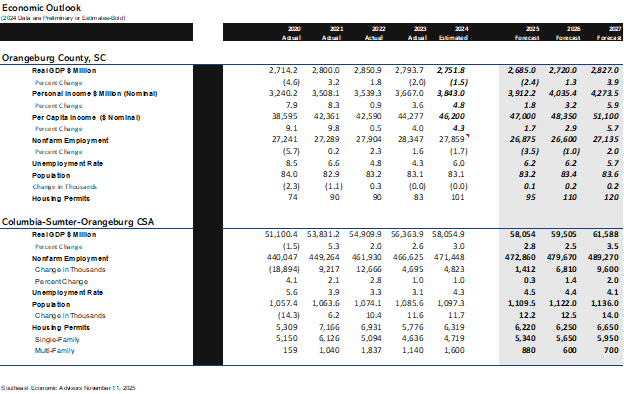
Orangeburg County as a whole is home to about 83,500 residents and generates roughly $3.4 billion in GDP. Its industrial base is anchored by Husqvarna (now Flex), Zeus Industrial Products, and Allied Air Enterprises, alongside major institutional employers such as MUSC Health–Orangeburg, South Carolina State University, and Claflin University.
Economic Profile:
Per capita income remains below the national average at about $47,000, and the poverty rate exceeds both state and national levels. Yet Orangeburg’s location—at the intersection of Interstates 26 and 95, and along key rail corridors—offers a strategic advantage for logistics, advanced manufacturing, and eco-tourism development. The county also benefits from proximity to the Port of Charleston and Volvo’s Ridgeville assembly plant in neighboring Dorchester County, while the Edisto River Basin has emerged as a shared regional asset for recreation-based growth across smaller towns such as Branchville and Rowesville.
Recent Performance:
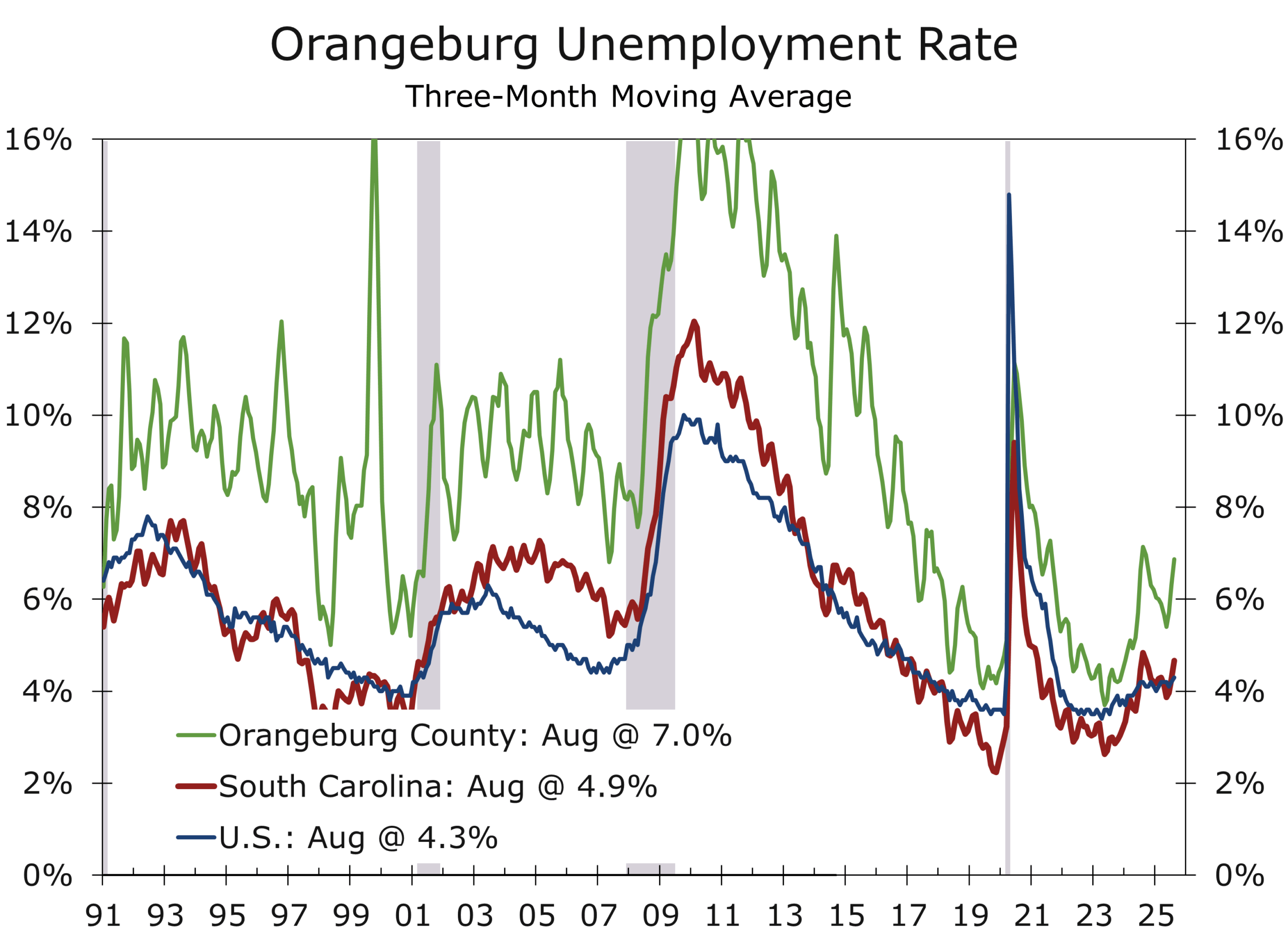
Economic progress has been gradual and uneven. Job growth continues to lag the state average, constrained by slower gains in goods-producing industries and an aging workforce. A cooling housing market has dampened demand for construction materials, and the unemployment rate, near 6 percent, remains above the state average. Despite near-term softness, long-term prospects are improving as industrial and distribution activity spreads along the I-26 corridor.
Competitive Position:
Orangeburg County spans a diverse geography—from the shores of Lake Marion to the pine forests and farmland surrounding Branchville. This southwestern corridor provides affordable land, strong highway and rail access, and close proximity to Orangeburg’s employment base. The area’s mix of agriculture, forestry, and small-scale industry offers opportunities for value-added production—such as wood products, bio-energy, and agri-processing—that complement the county’s growing logistics sector.
Columbia–Orangeburg–Sumter CSA:
Orangeburg County anchors the southern edge of the Columbia Consolidated Statistical Area (CSA), a region of roughly 1.1 million residents. Growth from Columbia’s expanding metro continues to move south along the I-26 corridor, linking Orangeburg more closely to the capital’s labor and housing markets. A growing share of county residents now commute north toward Columbia, while others travel east and southeast toward Dorchester and Charleston counties, reinforcing Orangeburg’s emerging role as a commuter and logistics crossroads between the Midlands and the Lowcountry.
Strategic Outlook
Branchville stands at a crossroads. The town’s population has slipped below 1,000, continuing a gradual decline that spans decades, and much of its downtown infrastructure shows visible wear. Yet the fundamentals—a rich history, authentic small-town character, and strategic location—remain too compelling to ignore. What Branchville needs is not reinvention from scratch, but reinvestment and renewed confidence. With focused capital, careful planning, and community resolve, this town could once again thrive as a heritage, logistics, and lifestyle hub in rural South Carolina.
- Reinforce Branchville’s Rail-to-River Identity
Branchville’s strongest competitive advantage lies in its story. The town occupies a rare intersection of transportation heritage and natural beauty—where rail history meets the Edisto River corridor. Continued investment in the Branchville Railroad Museum, the Raylrode Daze Festivul, and public access to the Edisto River Canoe and Kayak Trail could deepen its visitor economy. A coordinated tourism plan—linking the depot, downtown, and outdoor recreation—would amplify both economic and cultural returns. - Leverage the Logistics Location
Geography still matters. Branchville sits on U.S. 21, midway between Interstate 26 and Interstate 95, within reach of Charleston’s port and Columbia’s industrial belt. That corridor positioning offers potential for light manufacturing, distribution, and agri-business supply operations seeking lower land and labor costs. Strategic partnerships with Orangeburg County Development Commission and state rural-incentive programs could help attract investors aligned with the region’s logistics renaissance. - Encourage Small-Town Entrepreneurship
Downtown Branchville offers the kind of character that cannot be replicated in suburban markets. Restoring historic storefronts and recruiting farm-to-table dining, boutique lodging, and artisan retail would enhance tourism, retain local spending, and signal renewal. Micro-grants or low-interest revolving funds for façade improvements and new business start-ups could catalyze visible progress quickly. - Attract New Residents and Remote Workers
Affordable housing, expanding broadband, and abundant outdoor amenities make Branchville well-suited for the new class of remote professionals, retirees, and creative workers seeking small-town livability within reach of major metros. Targeted marketing—emphasizing community, affordability, and proximity to Charleston—could help reverse population decline and broaden the town’s tax base.
Branchville’s recovery will not hinge on a single project but on strategic layering—reviving its rail legacy, harnessing its geography, empowering entrepreneurs, and re-establishing its identity as a connected, livable, and proudly local community. The foundation remains sound; what’s required now is vision, investment, and the belief that this once-vital junction can again be a place where paths—and opportunities—converge.
The Arc of Reinvention
Branchville’s journey mirrors the evolution of the American South—rooted in land and trade, transformed by technology, and sustained by community.
From trail fork to rail junction, from railway back to agriculture, the town’s economy has rode the ups and downs of industrialization but finds itself on the downside of innovations in logistics. The same spirit that once carried goods from the upcountry to Charleston now fuels its next chapter—linking heritage, nature, and opportunity in a uniquely Southern way.
Infrastructure built Branchville’s foundation. Heritage, hospitality, and reinvention may well define its future.
November 11, 2025
Mark Vitner, Chief Economist
Southeast Economic Advisors
704-458-4000